A 12-week 1on1 program for high-agency leaders with a project big enough that winging it has stopped working. You walk away with real progress on what matters most — and a system to keep you focused.
What you're trying to pull off is big enough that it needs a structure beneath it. Otherwise it keeps losing to whatever seems more urgent that week. Here's what we'll do together:
Get clear on the one main thing that would make this quarter count.
Know what to do each week to move it forward — and see whether you did.
Build a weekly rhythm that protects your main thing and catches drift early.
Install a decision filter so you stop spending energy on "should I do this?"
Get back on the wagon when you fall off.
Without generic productivity advice. Without a system that breaks the first time a real week happens. Without pretending discipline is your problem.
Over the next 12 weeks, we'll work 1on1 using three systems to move your main project forward.
Most leaders in your position carry a mental list of seven or eight priorities that all feel equally urgent. Every week becomes a negotiation. The project that would actually change your trajectory keeps getting bumped to next quarter.
We run a diagnostic that cross-references what you say matters against where your time and energy actually go — and force a rank-order. You name the one project that counts. Everything else gets deprioritized, delegated, or dropped. That decision becomes the anchor for the next 12 weeks.
Most autonomous leaders plan ambitiously and lose the plan by Wednesday — lost to other people's requests and whatever felt urgent. They end every quarter having been busy but having made little progress on their main thing.
We break your project into concrete lead measures, build a visible scoreboard so you can see whether you're advancing, and install a weekly rhythm that locks your real work in before everything else fills the space. This isn't planning. You do the work, every week, and I hold you to it.
The system will break. A crisis, a trip, a board meeting, a week where nothing goes as planned. The difference between people who deliver their project and people who defer it another quarter isn't that one group never gets derailed.
We build early-warning signals and recovery routines so that when (not if!) you drift, you catch it and reset in moments rather than months.
The CORE Focus Score is 18 self-ratings across four dimensions — Clarity, Ownership, Reset, Extend. Scores don't tell you why the important project keeps not moving. They tell you where to look first.
You complete two assessments. I generate a diagnostic report that reveals where your focus actually breaks — not where you think it breaks. We walk through it together in a 60-minute design call, name the project that matters most, and build the first version of your weekly structure around it.
Most clients leave the design call saying some version of: "I thought my problem was discipline, but I've actually never decided what comes first."
This is where the real work happens. We meet biweekly for 30-minute check-ins: what did you commit to, did it happen, what got in the way, what's next.
I'm coaching you on your specific obstacles, wins, and learnings. Stuck on a decision? We work through it. Something needs to get delegated so you can protect your time? We figure out how. The system gets refined against real resistance — not hypothetical scenarios.
We shift from building momentum to making it self-sustaining. What happens when I'm not there? We install the reset protocols, test the system against disruptions, and codify what works into something you keep.
Two sketches — anonymous by request — of what the diagnostic surfaced and how we redesigned the week around the real bottleneck.
He had built an elaborate planning system — Eisenhower matrix, weekly goals, quarterly reviews, traffic-light scoring — that captured intentions without converting them into action. The same goals appeared week after week. The diagnostic revealed the structural cause: an unresolved pattern of deferring to others' expectations that kept him reactive. Once that was visible, we redesigned his system around the actual bottleneck instead of adding more planning on top.
Splitting his time between a sales role and a startup, he saw that his 5/5 self-rating on priorities masked the fact that "Family, Work, Health" couldn't filter a single decision on a Tuesday morning. His 16-hour days weren't a focus system — they were an endurance test. We rebuilt his week around what actually needed his hours versus what he was doing out of habit and loyalty.
After leaving BCG, I had full autonomy for the first time — and then spent months being productive on the wrong things. The method came from solving my own problem: I needed a system that told me what to work on, protected time for it, and caught me when I drifted.
The principles & tools we'll be working with are what helped me build an operating system for myself. I've since used it helping independent consultants, founders, NGO executives, and newly elected officials build personal systems of their own.
Six concrete things. Not e-learning, not a framework, not a PDF library. A real system we design and you use during the program and keep after.
A detailed analysis of the patterns that break your focus. Most clients say this alone changed how they think about their week.
We build your focus system around your actual week, your actual project, your actual obstacles — not a template.
I keep you honest, help you get unstuck, and coach you through the specific obstacles that show up as the system meets real life.
Stuck on a decision, need a gut-check on whether something deserves your time? Message me. You don't wait for the next call to get unstuck.
By week 12 we document what works: your decision filter, your weekly rhythm, your reset triggers, your scoreboard. Written down so you can run it without me.
The frameworks, templates, and prompts I use across all my clients — adapted to your situation.
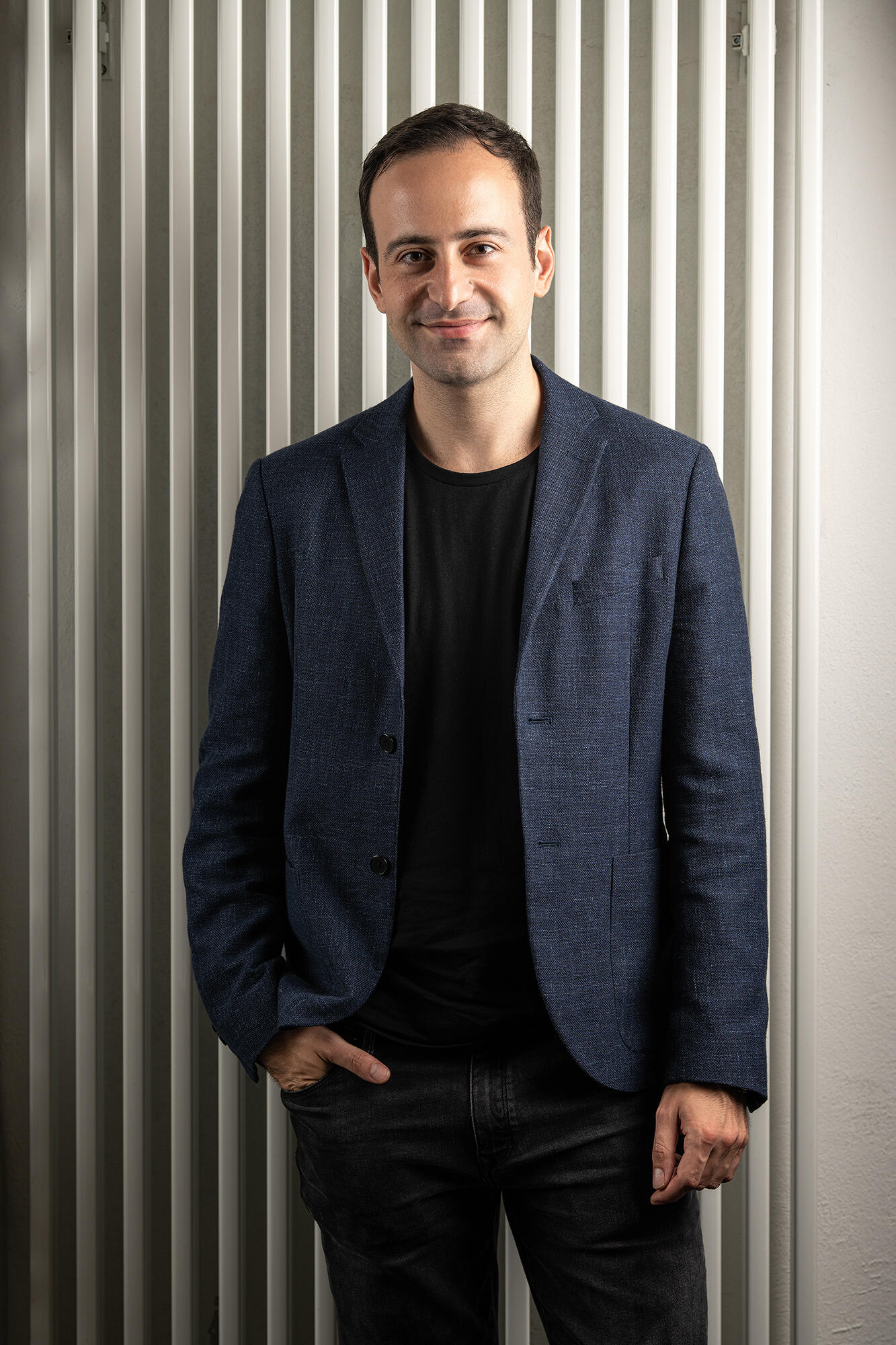
Ex-BCG, ran campaigns in EU politics, built organizations from the ground up. Now I work 1:1 with independent consultants, advisors, and fractional executives who have everything except a system that protects time for the project that actually matters.
The frame is coaching, the method is architectural. I don't give you a template — I map where your focus breaks, and we build the system around that. Between sessions, AI-powered support keeps it alive. At critical moments, it's me.
I take three clients a month.
If even the diagnostic alone revealed the specific pattern quietly eating your best hours, that reframe would change how you spend next quarter. We don't stop at the insight — we act on it together for 12 weeks until your main thing has real momentum and you own a system that keeps it going.